


In recent years, there has been growing recognition of the importance of connecting research and practice in the field of educational sciences. The disconnect between theoretical research and practical implementation in the classroom has been a persistent challenge in education worldwide, and Morocco is no exception. This article explores how educational research can be more effectively applied in Moroccan classrooms, addressing the barriers and opportunities in bridging the gap between theory and practice in education.
Theoretical Foundations of Educational Sciences in Morocco.
Educational sciences in Morocco are grounded in both global pedagogical theories and local educational contexts. Moroccan scholars and practitioners have long recognized the value of research in improving teaching practices, curriculum design, and student outcomes. However, despite advances in educational research, the application of these theories in the classroom often lags behind. Research in areas such as cognitive development, learning styles, and pedagogical strategies has produced a wealth of knowledge, but translating these insights into practical tools for teachers remains a challenge.
Helpful Advices
Helpful Documentation
Reliable Experts

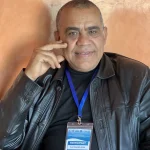
Pr. Amiri El Mostafa
The purpose of geology teaching is to explain how the Earth works and to establish a chronology of geological events. (Amiri & al 2023)
Challenges in Bridging the Gap
Several factors contribute to the disconnect between research and practice in Moroccan education:
-
Lack of Communication Between Researchers and Practitioners: Researchers often work in academic environments, publishing findings in journals that are not easily accessible to teachers and school administrators. On the other hand, teachers face time constraints and are rarely involved in research projects, which limits their ability to engage with academic findings.
-
Limited Professional Development for Teachers: Professional development opportunities for teachers in Morocco are often insufficient to incorporate the latest research into their teaching practices. Many teachers receive initial training but lack continuous development programs that expose them to innovative educational research.
-
Curriculum and Policy Constraints: Educational policies and curricula in Morocco can be rigid, leaving little room for the integration of new teaching methods derived from research. Teachers are often expected to follow prescribed lesson plans and methodologies, even when these may not align with the most recent educational research.
-
Resource Gaps: Moroccan schools, particularly in rural areas, face resource constraints that limit the implementation of research-based practices. The lack of technological tools, access to updated teaching materials, and even basic infrastructure can hinder the translation of theory into practice.
Case Studies in Morocco
Some initiatives in Morocco have successfully bridged the gap between research and practice. For example, certain pilot programs have introduced research-based approaches to early childhood education, focusing on cognitive development and language acquisition. These programs have not only improved learning outcomes but also provided valuable feedback to researchers about the practical challenges of implementing new methods.
Additionally, collaborations between Moroccan universities and international educational organizations have resulted in teacher training programs that integrate the latest pedagogical research. These initiatives highlight the potential for more widespread adoption of research-based practices across the country.
Conclusion: A Path Forward
Bridging the gap between research and practice in educational sciences is essential for improving educational outcomes in Morocco. By fostering greater collaboration between researchers and educators, strengthening professional development, and advocating for policy reform, Morocco can move closer to an education system that is both research-driven and responsive to the needs of teachers and students.
The future of education in Morocco depends on our ability to connect theory with practice, ensuring that the wealth of knowledge generated through research translates into meaningful improvements in the classroom. In this way, educational research can truly become a tool for change, helping to prepare Morocco’s students for the challenges and opportunities of the 21st century.
DocumentRelated Posts
View all By admin
September 28, 2024
By admin
September 28, 2024
The Role of Didactics in Developing Critical Thinking Skills among High School Students
In today’s rapidly evolving world, critical thinking + Read More By admin
September 27, 2024
By admin
September 27, 2024
Pedagogical Engineering: Designing Effective Learning Environments for 21st-Century Education
As education evolves to meet the demands + Read More By admin
November 28, 2022
By admin
November 28, 2022
Innovative Pedagogical Strategies for Enhancing Science Education in Moroccan Classrooms
Science education plays a pivotal role in + Read MoreTrusted Collaborators
View all


