


Science education plays a pivotal role in shaping students’ analytical and critical thinking skills, fostering a deeper understanding of the world around them. However, traditional methods of teaching science in Moroccan classrooms often rely heavily on rote learning, leaving little room for creativity or engagement. To address this challenge, educators

In recent years, there has been growing recognition of the importance of connecting research and practice in the field of educational sciences. The disconnect between theoretical research and practical implementation in the classroom has been a persistent challenge in education worldwide, and Morocco is no exception. This article explores how
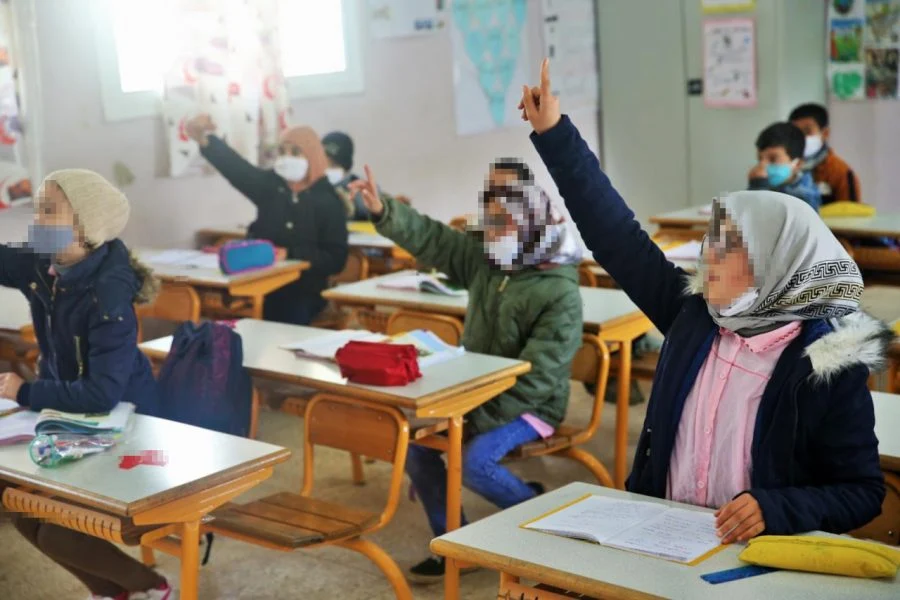
Over the past few decades, Morocco has undergone significant educational reforms aimed at modernizing its system and addressing the pressing challenges of quality, access, and relevance in education. These reforms, rooted in a national vision for development, have focused on improving curriculum, pedagogy, infrastructure, and governance. However, a crucial aspect

In an era where traditional teaching methods are being re-evaluated, collaborative learning approaches have emerged as effective strategies for enhancing student engagement and improving knowledge retention. This educational paradigm shifts the focus from teacher-centered instruction to a more interactive, student-centered model, where learners actively participate in their own educational journey.