

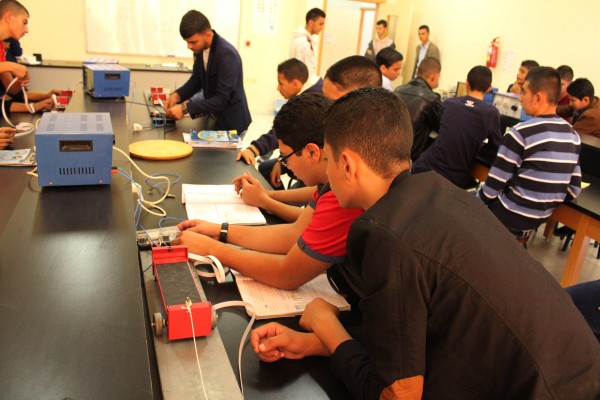
The field of educational sciences is constantly evolving, driven by new research findings and theoretical advancements. However, a significant gap often exists between educational research and its practical application in classrooms. In Morocco, this disconnect poses a challenge to the effective implementation of pedagogical strategies that could enhance teaching and learning outcomes. This article explores the current state of educational research in Morocco, the barriers to translating research into practice, and potential strategies to bridge this gap for the benefit of educators and students alike.
Current State of Educational Research in Morocco
Moroccan educational research has made notable progress over the years, with numerous studies focusing on various aspects of teaching and learning. These studies cover diverse topics, including curriculum development, teaching methodologies, assessment practices, and the integration of technology in education. Institutions such as the Ministry of National Education and higher education institutions have invested in research initiatives aimed at improving educational quality and addressing the needs of a rapidly changing society.
Despite these advancements, there remains a discrepancy between the research conducted and its application in schools. Many educators are unaware of the latest research findings, and even when they are, they may lack the training or resources to implement them effectively.
Helpful Advice
Respectful delays
Reliable Experts
Several factors contribute to the gap between research and practice in Moroccan education:
-
Limited Accessibility: Research findings are often published in academic journals that are not easily accessible to teachers. Many educators may not have the time or resources to seek out and read the latest studies, leading to a lack of awareness of relevant findings.
-
Lack of Professional Development: Continuous professional development for teachers is essential to help them understand and implement research-based practices. However, opportunities for such training can be limited, especially in rural areas where resources and expertise may be scarce.
-
Disconnect Between Researchers and Practitioners: There is often a divide between researchers and educators, leading to a lack of communication and collaboration. Researchers may conduct studies without considering the practical realities faced by teachers, while educators may feel disconnected from the research community.
-
Curriculum Constraints: The existing curriculum may not allow for the integration of new practices or methodologies that research supports. Teachers may feel compelled to adhere strictly to prescribed materials, limiting their ability to adapt innovative strategies.


Pr. AKNIN Noura
Bridging the gap between research and practice in educational sciences is not merely a goal; it is a necessity. By fostering collaboration between researchers and educators, we can transform insights into actionable strategies, ultimately enhancing the quality of education and ensuring that every student in Morocco thrives in an evolving learning landscape.
Examples of Successful Integration
Several successful initiatives in Morocco exemplify the potential for bridging the gap between research and practice:
-
Educational Workshops: Organizations and universities have begun hosting workshops that bring researchers and educators together to discuss recent findings and their implications for classroom practice. These workshops foster dialogue and help teachers see the relevance of research to their work.
-
Collaborative Projects: Some schools have engaged in collaborative projects where teachers partner with researchers to implement and evaluate new teaching methods. These projects allow for real-time feedback and adjustments based on practical experiences.
-
Community of Practice: Establishing communities of practice within schools encourages teachers to share their experiences, discuss challenges, and explore research-based solutions collaboratively. These informal networks can promote continuous learning and support among educators.
A Path Forward
Bridging the gap between research and practice in educational sciences is essential for improving teaching and learning outcomes in Morocco. By enhancing accessibility to research, fostering collaboration between researchers and educators, investing in professional development, and incorporating research into teacher training, the educational community can create a more cohesive and effective learning environment.
As Morocco continues to invest in educational reform and improvement, the commitment to connecting research with practice will play a pivotal role in ensuring that all students receive a high-quality education that prepares them for the challenges of the future. By fostering a culture of inquiry and collaboration, Morocco can build a more responsive and effective educational system that benefits both educators and learners alike.
DocumentRelated Posts
View all By admin
September 28, 2024
By admin
September 28, 2024
The Role of Didactics in Developing Critical Thinking Skills among High School Students
In today’s rapidly evolving world, critical thinking + Read More By admin
September 27, 2024
By admin
September 27, 2024
Pedagogical Engineering: Designing Effective Learning Environments for 21st-Century Education
As education evolves to meet the demands + Read More By admin
November 28, 2022
By admin
November 28, 2022
Innovative Pedagogical Strategies for Enhancing Science Education in Moroccan Classrooms
Science education plays a pivotal role in + Read MoreTrusted Collaborators
View all


